Anal Training Guide: Safe Steps, Tips & Techniques
Disclaimer: This content is for educational purposes for adults (18+). Consult with a professional for sexual health concerns.
Before diving into techniques, steps, or advanced methods, it’s important to set the right expectations about anal training. This is not something that should be rushed, forced, or treated like a performance goal. In reality, anal training is a gradual conditioning process that focuses on comfort, relaxation, and learning how the body responds over time.
Many people searching for how to anal training or how to train for anal are usually dealing with the same concerns: fear of pain, uncertainty about where to start, and confusion caused by conflicting advice online. The truth is, when done correctly, anal training is less about “pushing limits” and more about building trust with your body through slow, consistent progress.
This guide is designed to cut through the noise. Whether you're exploring anal training tips, learning how to train for anal for the first time, or moving toward deep anal training, the goal here is simple: give you a realistic, experience-based roadmap that prioritizes safety, reduces anxiety, and helps you understand what actually works in real life—not just theory.
If you approach anal training with patience and the right information, the process becomes far more manageable than most beginners expect.
Introduction to Anal Training (What It Is and Why It Matters)
Definition of Anal Training in Sexual Health Context
When people first hear the term anal training, they often assume it is something extreme or complicated. In reality, anal training is simply the gradual process of helping the body adapt to penetration through controlled relaxation, stretching, and conditioning of the anal muscles over time.
At its core, anal training is not about force—it is about patience, awareness, and communication with your body. The anal sphincter is a muscle group designed to stay tight by default. With the right approach, however, it can learn to relax more comfortably under safe conditions.
In modern sexual wellness discussions, anal training is increasingly viewed as a form of body conditioning similar to flexibility training in fitness. The goal is not performance—it is comfort, control, and reducing discomfort during intimacy.
For many beginners searching for how to anal training, the most important realization is this: there is no shortcut. Safe progression is the only path.
Why People Practice Anal Training (Comfort, Relaxation, Reduced Pain)
People engage in anal training for different reasons. Some want to reduce discomfort during intimacy, others want more control over their body, and some simply want to explore new sensations safely.
Across sexual health discussions, a consistent theme appears: discomfort is usually caused by rushing, not by anatomy itself. That is why anal training tips always emphasize patience and gradual adaptation.
Many experts in sexual wellness emphasize that when done correctly, anal training helps reduce anxiety, improves muscle relaxation, and enhances overall comfort during intimacy.
As one sexual health educator explains in a widely cited clinical discussion:
“The key to anal comfort is not strength, but relaxation and trust in gradual progression.”
This principle is at the heart of all safe anal training practices.
Medical Perspective on Anal Tissue Elasticity and Adaptation
From a physiological standpoint, the anal canal is composed of highly elastic muscle tissue. According to clinical research on anorectal function (PMC studies on rectal physiology), the sphincter muscles are capable of controlled relaxation and adaptation when exposed to gradual, non-traumatic stretching.
This is why anal stretching must always follow a progressive model. Sudden force can lead to irritation or micro-tears, while slow exposure allows the nervous system to adjust.
Understanding this biological adaptability is essential before attempting how to train for anal safely.
Key Principles: Safety, Patience, and Progressive Adaptation
Every expert guide on anal training agrees on three fundamental principles:
- Safety first
- Slow progression
- Emotional relaxation
Without these, even basic anal training tips become ineffective or risky.

How to Anal Training: Step-by-Step Beginner Method
When it comes to anal training, beginners often make the mistake of thinking it is purely physical. In reality, the success of anal training depends just as much on mental relaxation and pacing as it does on technique. If your body is tense or rushed, even the simplest steps of how to anal training can feel uncomfortable. That’s why this beginner method focuses on slow, controlled progression rather than speed or intensity.
Step 1 – Mental Preparation and Relaxation Techniques
The first and most overlooked part of anal training is mental readiness. Anxiety causes involuntary muscle tightening, which is the opposite of what you want. Before any physical contact, take time to relax your environment and your mind.
A practical approach includes deep breathing, warm showers, and simply giving yourself time without pressure. Many sexual health educators emphasize that learning how to train for anal successfully starts with calming the nervous system. When the mind is relaxed, the pelvic floor muscles naturally follow.
It’s also helpful to avoid setting expectations for immediate progress. In anal training, forcing results usually leads to discomfort. Think of this step as “preparing the body to cooperate,” not performing a task.
Step 2 – External Muscle Relaxation and Breathing Control
Once you feel mentally ready, the next step in anal training is external relaxation. The anal sphincter is a responsive muscle—it tightens when stressed and relaxes when calm. Controlled breathing plays a major role here.
Slow inhaling through the nose and extended exhaling helps signal the body to relax. This is a core principle often mentioned in anal training tips, because without relaxation, progression becomes difficult.
At this stage, no forceful movement is needed. The focus is on awareness—learning how your body responds to touch, pressure, and breath. This is also where many beginners practicing how to anal training realize that patience is more important than technique.
Step 3 – Starting With External Contact and Gradual Entry
After relaxation is established, you can begin gentle external contact. This step is essential in anal stretching because it allows the body to adjust gradually without sudden pressure.
The goal here is not penetration or depth, but familiarity. Light, slow contact helps the muscles understand that there is no threat. Many experts in anal training stress that rushing this stage is the most common reason for discomfort later.
If everything feels comfortable, progression should still remain extremely slow. The sensation should always remain mild and controlled. If there is any discomfort, it is a sign to pause and return to relaxation.
Step 4 – Using Lubrication Properly for Safety and Comfort
Lubrication is a non-negotiable part of anal training. Unlike other areas of the body, the anal canal does not produce natural lubrication, which means friction control is entirely dependent on external support.
Proper lubrication reduces resistance and allows smoother progression during anal stretching. One of the most repeated anal training tips from sexual health experts is simple: use more than you think you need, and reapply regularly.
Application should be slow and thorough, ensuring comfort before any further steps. Skipping this step often leads to unnecessary irritation, especially for beginners learning how to train for anal.
Step 5 – Progressive Size Increase Over Time
The final beginner stage of anal training is gradual progression. This does not mean rushing to larger sizes quickly—it means giving your body time to adapt at its own pace.
Each step in anal stretching should feel comfortable before moving forward. If there is tightness or resistance, it is better to stay at the same level for a longer period rather than pushing ahead.
In long-term anal training, consistency matters more than intensity. Even short, gentle sessions done regularly are far more effective than occasional aggressive attempts.
Ultimately, learning how to anal training is about building trust with your body. When each stage is approached patiently, the process becomes smoother, safer, and far more predictable over time.
How to Train for Anal Safely (Beginner to Advanced Progression)
Safe anal training is not about speed or intensity—it’s about structured progression. Whether someone is exploring how to train for anal for the first time or moving toward more advanced anal stretching, the body must always be guided through clear stages. Skipping steps or rushing progression is the most common reason for discomfort or setbacks.
Beginner Stage: First Exposure and Comfort Building
In the beginner stage of anal training, the goal is simple: comfort and awareness. There should be no expectation of depth or endurance. Instead, the focus is on helping the body become familiar with gentle external contact and relaxation.
At this stage, many people learning how to train for anal benefit from short, low-pressure sessions. The key is consistency without forcing progression. The body needs time to understand that there is no threat, and this is where relaxation plays the biggest role.
If there is any discomfort, the correct response is to pause—not push forward. In anal training, comfort always comes before progression.
Intermediate Stage: Controlled Stretching and Routine Practice
Once the body is comfortable with basic stimulation, anal stretching can gradually become more structured. This is the stage where routine matters more than intensity.
Sessions should remain slow and predictable. The goal of anal training here is to build muscle memory and improve relaxation response over time. The body begins to adapt more easily, but it still requires patience.
People progressing through how to train for anal at this stage often notice that breathing control and lubrication consistency significantly improve comfort. These small details make a major difference in overall results.
Advanced Stage: Deep Anal Training and Muscle Conditioning
At the advanced level of anal training, the focus shifts toward endurance, control, and deeper muscle adaptation. However, even deep anal training should never involve force or discomfort.
This stage is only appropriate when the body has already adapted through consistent practice. Movements should remain controlled, and progression should still be gradual.
In advanced anal stretching, the key indicator of success is not “how far,” but how relaxed and stable the body remains throughout the process. If tension appears, it signals that the progression has moved too quickly.
Ultimately, safe anal training at any level depends on respecting limits, maintaining relaxation, and allowing the body to adapt at its own natural pace.

Anal Training Tips from Sexual Health Experts
When it comes to anal training, experience and medical guidance both point to one clear conclusion: progress only happens when the body feels safe, relaxed, and unpressured. Many beginners searching for how to anal training or anal training tips assume technique is the most important factor, but in practice, small behavioral adjustments often matter far more than any single method.
Importance of Lubrication Type and Application Technique
One of the most repeated anal training tips from sexual health educators is the correct use of lubrication. The anal area does not self-lubricate, which means friction control is entirely dependent on external support.
In anal training, lubrication should never be applied minimally. Instead, it should be generous and reapplied whenever needed. A common mistake beginners make when learning how to train for anal is underestimating how quickly friction can increase discomfort.
Application technique also matters. Lubrication should be applied slowly and evenly to reduce resistance and allow smoother movement during anal stretching. This simple adjustment significantly improves comfort and reduces unnecessary strain.
Breathing and Pelvic Floor Relaxation Techniques
Breathing is one of the most powerful yet overlooked tools in anal training. Controlled, slow breathing signals the nervous system to relax, which directly affects pelvic floor tension.
Experts often emphasize that when breathing becomes shallow or rushed, the body automatically tightens. This is counterproductive for anyone practicing how to train for anal safely.
A steady inhale through the nose followed by a slow exhale helps release muscular tension. Over time, this improves the body’s ability to stay relaxed during anal stretching, making progression smoother and more predictable.
Slow Progression and Avoiding Overstretching
Perhaps the most important principle in anal training is patience. Progress should always feel gradual, not forced. Overstretching is one of the most common causes of discomfort, especially for beginners.
In anal training tips shared by professionals, the emphasis is always on stopping before discomfort appears—not after. The body adapts best when it is not pushed beyond its current comfort level.
For those learning how to anal training, this means accepting that slower progress is actually safer and more effective. Consistency over time builds natural adaptation, while rushing often leads to setbacks.
Psychological Comfort and Trust Factors
Beyond physical technique, psychological comfort plays a major role in anal training. If the mind feels anxious or uncertain, the body responds by tightening automatically.
Creating a relaxed environment, moving at a comfortable pace, and avoiding pressure are essential parts of successful anal stretching. Trust—both in your own body and in the process—is often what determines whether progression feels smooth or difficult.
In many real-world experiences, the difference between discomfort and comfort in anal training is not physical strength, but mental ease.
Anal Stretching Techniques and Tools
Effective anal training often depends on using the right combination of technique and gradual tools. While the body’s ability to adapt is natural, structured anal stretching methods can help make the process safer, more predictable, and more comfortable. The key principle is always the same: progression should feel controlled, never forced.
Manual Relaxation Techniques
Before introducing any tools, manual relaxation is often the first step in anal training. This involves gentle external contact combined with deep breathing to help the muscles release tension naturally.
The anal sphincter responds strongly to psychological cues, so slow pacing and a relaxed environment are essential. Many beginners exploring how to train for anal find that simply learning to relax the pelvic floor reduces discomfort significantly.
In early-stage anal stretching, the focus is not on depth or expansion but on awareness. The body needs time to understand how to stay relaxed under gentle stimulation, and manual techniques are the safest way to build that foundation.
Graduated Dilators and Training Kits
Once the body becomes more comfortable, structured tools such as graduated dilators are often used in anal training. These tools are designed to increase in size gradually, allowing the body to adapt step by step rather than all at once.
This structured approach to anal stretching is widely recommended in sexual health education because it reduces the risk of overstimulation or sudden discomfort. Each stage should feel comfortable before moving to the next.
For individuals learning how to train for anal, these tools provide a clear progression path. However, they should always be used slowly, with proper lubrication and full attention to body signals. The goal is adaptation, not speed.
Anal Training Kits: How They Work
In more structured anal training routines, complete kits are sometimes used to guide progression. These kits typically include multiple sizes that allow for controlled, incremental stretching over time.
The advantage of this method in anal stretching is consistency. Instead of guessing progression steps, the user follows a clear size sequence that supports safe adaptation.
However, even with structured tools, the same rules apply: no pain, no rushing, and no forcing progression. Many experts in how to train for anal emphasize that tools are only supportive—they do not replace patience or relaxation.
Silicone vs Body-Safe Materials
Material choice plays an important role in anal training safety. Body-safe, non-porous materials are generally preferred because they are easier to clean and reduce irritation risk during anal stretching.
Smooth surfaces also improve comfort and allow more controlled movement. In anal training tips from sexual health educators, avoiding low-quality materials is consistently highlighted as a basic safety rule.
Ultimately, the effectiveness of anal training tools depends less on the tool itself and more on how slowly and carefully it is used.

Deep Anal Training: Advanced Considerations
As anal training progresses beyond beginner and intermediate stages, the focus naturally shifts from basic comfort to more refined control and long-term adaptability. Deep anal training is not about intensity or speed—it is about precision, body awareness, and maintaining complete relaxation under deeper levels of stimulation. At this stage, mistakes are usually not about technique, but about impatience.
Understanding Muscle Adaptation
In advanced anal training, the body has already learned how to relax under controlled conditions. Now the goal of anal stretching becomes maintaining that relaxation even during deeper progression.
The anal sphincter is highly responsive to repeated gentle exposure. Over time, it adapts by improving both flexibility and control. However, this adaptation only happens when progression remains gradual. In how to train for anal at an advanced level, the emphasis is no longer on “stretching more,” but on “staying relaxed longer.”
Risk Management in Deep Stretching
One of the most important aspects of deep anal training is understanding limits. Even experienced individuals must respect physical signals. Discomfort, pressure, or tension are early warnings that progression is too fast.
In anal training, risk management is not about fear—it is about awareness. Proper pacing, lubrication, and emotional calm all play a role in reducing strain during advanced anal stretching.
When to Slow Down Progression
Advanced anal training tips consistently emphasize one rule: progress should be paused whenever the body stops feeling fully relaxed. Unlike earlier stages, pushing through tension at this level does not improve adaptation—it increases the risk of irritation.
For those practicing how to train for anal at a deeper level, knowing when to slow down is just as important as knowing how to progress. Long-term comfort always depends on patience, consistency, and respect for the body’s natural limits.
Safety Guidelines and Medical Insights
Safety is the foundation of every stage of anal training, from beginner exploration to advanced anal stretching. While the body is capable of gradual adaptation, medical perspectives consistently emphasize one principle: progress must never come at the cost of pain or tissue damage. Understanding the physiological limits of the anal canal helps ensure that how to train for anal is approached responsibly and realistically.
What Medical Experts Say About Anal Tissue Stretching
From a medical standpoint, the anal sphincter is composed of elastic muscle tissue designed to contract and relax. Clinical research on anorectal function indicates that gradual exposure can improve tolerance over time, but only when progression is slow and controlled.
In anal training, this means the body should never be forced beyond its current comfort level. The tissues can adapt, but they also respond quickly to excessive pressure. This is why anal stretching must always prioritize gradual progression rather than intensity.
Warning Signs You Should Never Ignore
A key part of safe anal training tips is recognizing early warning signals. Sharp pain, burning sensations, or persistent discomfort are clear indicators that the process should stop immediately.
Ignoring these signals during anal training can lead to irritation or longer recovery times. Comfort should always be the baseline—not something to “push through.”
When to Seek Medical Advice
While mild soreness after anal stretching can be normal, symptoms that persist beyond 48 hours or worsen over time should not be ignored. In such cases, consulting a healthcare professional is recommended.
For anyone learning how to train for anal, understanding when to pause and seek guidance is part of responsible practice. Safe anal training is always defined by patience, awareness, and respect for the body’s natural recovery process.

Aftercare and Recovery After Anal Training or Bottoming
Proper aftercare is an essential but often overlooked part of anal training. No matter how gentle or controlled the session is, the tissues involved in anal stretching need time to relax and recover. Recovery is not just about physical comfort—it is also about preventing irritation and supporting long-term adaptability. Anyone learning how to train for anal should understand that progress does not end when the session stops; recovery is part of the process.
How Long Does It Take to Recover After Bottoming?
Recovery time varies depending on experience level, intensity, and how the body responds to anal training. For beginners, mild soreness or sensitivity may last anywhere from 12 to 48 hours. More experienced individuals may recover within a few hours, especially when anal stretching has been done gradually and without strain.
Medical and sexual health insights consistently highlight that the key factor is not duration alone, but whether discomfort is present. If the body feels normal and relaxed, recovery is likely progressing well.
Soothing Techniques for Muscle Recovery
After anal training, gentle care helps the muscles return to a relaxed state. Warm baths, rest, and slow breathing exercises are commonly recommended in anal training tips because they help reduce tension in the pelvic floor.
Avoiding unnecessary pressure during recovery is equally important. The goal is to allow the body to naturally reset after anal stretching, not to rush back into activity.
Hydration, Rest, and Avoiding Irritation
Hydration supports overall muscle recovery, while rest allows tissues to heal properly after anal training. It is also important to avoid repeated stimulation too soon, as this can increase sensitivity or prolong discomfort.
In how to train for anal safely, recovery is treated as an active part of the process. Listening to the body ensures that each session of anal training contributes to long-term comfort rather than irritation or fatigue.
Emotional and Psychological Aspects of Anal Training
While most discussions about anal training focus on physical technique, the emotional and psychological side is just as important. In fact, many difficulties people face during anal stretching are not caused by the body itself, but by tension, anxiety, or lack of confidence. Understanding this connection is essential for anyone learning how to train for anal in a safe and sustainable way.
Overcoming Anxiety and Fear
Anxiety is one of the most common barriers in anal training. When a person feels nervous, the body naturally tightens the pelvic floor muscles, making relaxation more difficult. This can create a cycle where fear leads to discomfort, and discomfort reinforces fear.
To break this cycle, anal training tips often emphasize slowing down and focusing on breathing. Creating a calm environment and removing pressure helps the mind feel safe, which directly improves physical relaxation during anal stretching.
Building Trust With Your Body
Successful anal training requires trust—both mental and physical. The body needs time to learn that gradual stimulation is not harmful. This trust is built through repetition, patience, and respecting limits. For some couples, enhancing emotional comfort and confidence also includes exploring intimate self-expression through women’s sensual lingerie, helping create a more relaxed and positive mindset during private moments.
For those exploring how to train for anal, it is important to understand that progress is not measured by speed, but by comfort. When the mind stops expecting results and instead focuses on sensation and relaxation, the experience becomes significantly easier.
Communication, Consent, and Emotional Safety
In partnered situations, communication plays a key role in anal training. Clear consent, honest feedback, and ongoing check-ins help create emotional safety, which directly affects physical comfort.
Without emotional security, even the most careful anal stretching can feel stressful. That is why experts consistently highlight psychological readiness as a core part of anal training tips—because a relaxed mind is the foundation of a relaxed body.

Anal Training for Partners: Communication and Techniques
When anal training involves a partner, the dynamic shifts from individual control to shared responsibility. Success depends not only on technique but also on communication, patience, and emotional trust. In partnered anal stretching, both people need to stay aligned on comfort levels and pacing, especially when exploring how to train for anal together for the first time.
How to Stimulate a Partner Comfortably and Safely
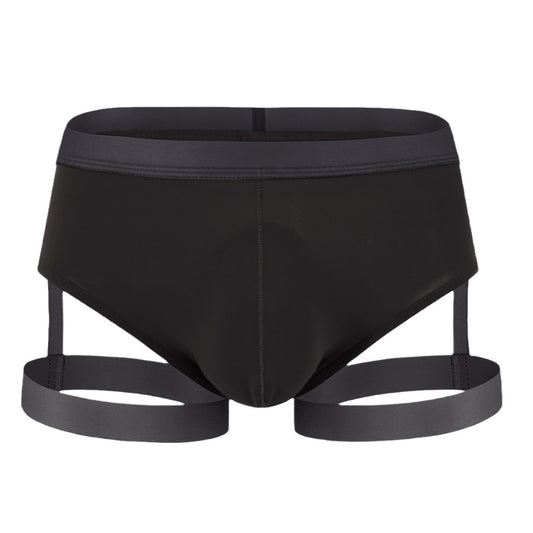
Safe partnered anal training always begins with conversation. Before any physical contact, both partners should openly discuss comfort, boundaries, and expectations. Creating the right atmosphere can also help improve emotional connection and confidence—some couples even explore supportive intimacy wear like men’s sensual lingerie during private moments to enhance trust and comfort in partnered exploration.
During stimulation, the pace should always remain slow and responsive. Instead of focusing on progression, attention should be on feedback. Many anal training tips emphasize that comfort signals are more important than any planned steps. If tension appears, it is better to pause rather than continue.
Building Trust Through Gradual Exploration
Trust is the foundation of any successful anal training experience between partners. Without it, the body is more likely to resist relaxation, making how to train for anal more difficult than necessary.
Gradual exploration helps build this trust. Starting with non-pressured contact and slowly progressing only when both partners feel comfortable allows the body to adapt naturally. This approach to anal stretching ensures that emotional safety and physical comfort develop together.
Avoiding Pressure and Ensuring Consent
Pressure is one of the biggest barriers in partnered anal training. Even subtle expectations can create tension and reduce comfort. That is why ongoing consent and check-ins are essential throughout the process.
In effective anal training, consent is not a one-time agreement but a continuous conversation. When both partners feel heard and respected, anal stretching becomes smoother, safer, and far more comfortable for both sides.
Frequently Asked Questions
How long does it take to recover after bottoming?
Recovery after anal training or bottoming varies by individual. Most people experience mild sensitivity or muscle fatigue that lasts 12 to 48 hours. If the session was gentle and involved proper anal stretching, recovery may be much faster. However, if there is discomfort, the key is rest, hydration, and avoiding further stimulation until the body feels fully normal again.
How do I stimulate my husband anally?
Start with communication and consent. In partnered anal training, emotional comfort is just as important as technique. Begin with relaxation, external touch, and slow progression. Use patience and check in frequently. Many anal training tips emphasize that pressure or rushing can reduce comfort and increase tension, so the focus should always remain on gradual adaptation.
What percentage of girls like anal?
Preferences vary widely between individuals, and there is no universal percentage that applies to everyone. Research on sexual behavior shows that interest in anal activities differs based on comfort, experience, and personal boundaries. In the context of anal training, it is more meaningful to focus on individual comfort rather than population averages.
How can I dilate before bottoming?
Dilation should always be gradual. In anal stretching, this typically involves starting with external relaxation and slowly progressing to small, comfortable steps over time. Lubrication and relaxation techniques are essential. Safe anal training avoids forcing any progression and instead prioritizes comfort at every stage.
How do I loosen my bottom?
Loosening the body is not about force—it is about relaxation. In anal training, deep breathing, patience, and gradual exposure help the muscles release tension naturally. Over time, consistent anal stretching improves comfort and reduces resistance, but the process must always remain slow and pain-free.
Is anal training safe for beginners?
Yes, anal training can be safe for beginners when done slowly, gently, and without pain. The most important rule is to never rush progression and always listen to the body.
What is the best lubricant for anal training?
A thick, long-lasting lubricant is typically recommended for anal stretching, as it reduces friction and improves comfort. Reapplication during anal training is often necessary.
Can anal stretching improve comfort over time?
Yes. With consistent and gentle anal training, many people notice improved relaxation and reduced discomfort over time due to gradual muscle adaptation.
What should I avoid during anal training?
Avoid rushing, skipping lubrication, ignoring discomfort, or forcing progression. These are the most common mistakes in anal training tips that can lead to unnecessary irritation.
When should I stop immediately?
Stop anal training immediately if you experience sharp pain, burning, or persistent discomfort. These are clear signals that the body needs rest and recovery.
Can anal training become easier over time?
Yes. With patience and consistent anal stretching, the body often becomes more relaxed and responsive, making future sessions more comfortable.