Anal Sex Guide: Safe Tips for First-Time Pleasure
Disclaimer: This content is for educational purposes for adults (18+). Consult with a professional for sexual health concerns.
Figuring out how to make anal sex pleasurable, safe, and pain‑free? You’re in the right place. This detailed guide offers step‑by‑step advice on navigating first time anal experiences, preparing your body and mind, and confidently enjoying this intimate act without discomfort.
Understanding Anal Sex
What Anal Sex Really Is
Anal sex refers to sexual activity that involves stimulation of the anus, which can include penetration with a penis, fingers, or sex toys. Unlike vaginal or oral sex, the anus does not self‑lubricate and its anatomy is structured by two sphincter muscles that control bowel function. This makes preparation and technique especially important for comfort and safety.
There are myths and misconceptions around anal sex—like it being inherently painful or dangerous—but with proper knowledge and respect for your body, it can be a pleasurable practice for consenting adults.
Why It Can Be Pleasurable
The anus and rectum are richly supplied with nerve endings, which means stimulation can be intensely pleasurable—not just for the receiver, but also for the giver in many scenarios. This explains why many couples and individuals explore anal sex as part of a fulfilling sex life.
Risks and Realities
While it can be an enjoyable experience, anal sex does carry slightly higher risks of tearing, STIs (including HIV), and irritation compared with other forms of sex if precautions aren’t taken. Using condoms, ample lubrication, and relaxed techniques are some of the simplest ways to dramatically reduce these risks.

First‑Time Anal Sex: What You Need to Know
Preparing Yourself Emotionally and Physically
For many, the idea of first time anal can stir a mix of curiosity and anxiety. Feeling nervous is normal; after all, anal sex is not something our bodies are naturally accustomed to, unlike vaginal intercourse. Emotional readiness is just as critical as physical preparation. Start by having an open and honest conversation with your partner about boundaries, comfort levels, and safe words. Express your concerns, ask questions, and establish signals for when you need to slow down or stop. This dialogue builds trust and significantly reduces tension, which is crucial because anal muscles tighten under stress.
Physically, the body requires relaxation to minimize discomfort. Tension in the sphincter can make even gentle penetration uncomfortable or painful. Techniques such as deep breathing, pelvic floor relaxation exercises, and gentle self-massage of the anal area before intimacy can help your muscles loosen naturally. Some people find that a warm bath or shower prior to engaging in anal sex not only relaxes the body but also improves focus and comfort. Remember, first time anal is as much about preparation as it is about the act itself; rushing can lead to pain and anxiety, which can create a negative experience.
How to Prepare for Anal Sex
Preparation for anal sex involves a combination of hygiene, timing, and mental readiness. Unlike some misconceptions, internal douching is not always necessary for safety or comfort, but a clean and external wash of the anal area is highly recommended. Emptying the bowels an hour or so before sexual activity helps minimize the risk of accidental messes and allows you to focus on relaxation rather than worry. A light, fiber-rich meal a few hours prior can help maintain normal bowel function without causing bloating or urgency during the experience.
Hydration is also a critical factor. Drinking enough water keeps the digestive system regular, reducing the risk of discomfort during or after anal sex. Additionally, physical preparation can include gentle stretching of the anal muscles. Using a finger or a small, smooth toy for gradual insertion helps the body adapt to penetration. This step-by-step approach is one of the most effective tips about anal sex, especially for first-time bottoms, and it significantly reduces the likelihood of pain or injury.
Mental preparation is equally essential. Entering the experience with curiosity, patience, and realistic expectations sets the stage for a positive experience. Understand that minor discomfort may occur, but sharp or persistent pain signals the need to pause. Your body’s reactions are valuable feedback, guiding you on how to adjust technique, pace, and pressure. By respecting your body and your partner, you foster a safe environment for both pleasure and learning.
Choosing the Right Tools
When considering how to do anal for the first time, the choice of tools can make a significant difference. Lubrication is non-negotiable; the anus does not produce its own natural lubricant, and friction without adequate lubrication can easily cause pain or micro-tears. Generous application of a water-based or silicone-based lubricant ensures smooth, comfortable penetration and allows the sphincter to relax naturally. Do not underestimate the amount of lube needed—more is better than too little.
If you plan to experiment with toys, select items that are smooth, body-safe, and specifically designed for anal use. Beginners benefit from starting with smaller toys or fingers to gradually accustom the sphincter to penetration. Toys with a flared base are critical to prevent accidental full insertion, ensuring safety during practice and play. Some find that practicing insertion alone, prior to partner activity, builds confidence and muscle control.
Communication about tools is essential as well. Decide together how much lubrication to use, when to progress in size, and what signals will indicate comfort or discomfort. By combining careful physical preparation, emotional readiness, and the proper tools, you create an environment where first time anal can be safe, enjoyable, and even deeply satisfying.

Step‑by‑Step Guide: How to Do Anal (Especially First Time Anal)
Engaging in first time anal can feel intimidating, but a systematic approach can make it pleasurable and safe. This step-by-step guide focuses on practical techniques, preparation, and pacing to help both beginners and those exploring how to do anal with confidence.
Start With Foreplay
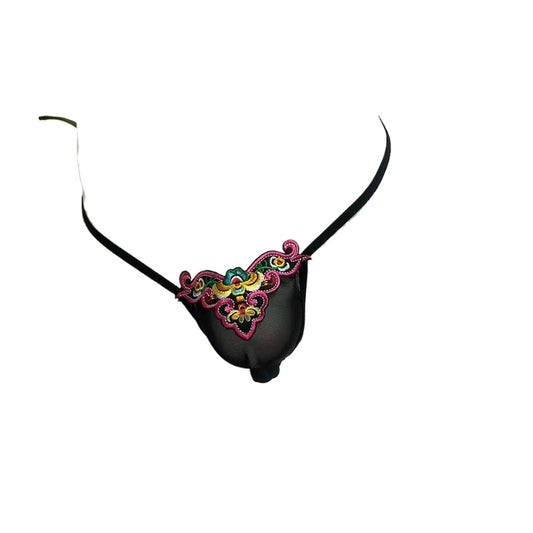
Foreplay is a cornerstone of enjoyable anal sex. For first time anal, the focus should be on relaxing both partners, building arousal, and increasing trust. Gentle caresses, kissing, and other intimate activities signal to your body that it is safe to relax. To enhance the experience and add a playful touch, consider women's special underwear that boosts confidence and sensuality during foreplay. Engaging in foreplay increases natural lubrication in other areas, reduces tension, and primes the nervous system to accept anal stimulation.
Experts emphasize that rushing foreplay can result in involuntary sphincter tightening, which makes penetration painful. Taking 10–20 minutes—or even longer—focusing on sensual touch and open communication lays the foundation for a smoother experience. During this stage, discussing desires, boundaries, and feedback signals with your partner is invaluable.
Generous Use of Lubrication
Lubrication is the most critical factor for comfortable anal sex. Since the anus does not naturally lubricate, applying a high-quality, water- or silicone-based lubricant is non-negotiable. The rule for first time anal is simple: use more, not less. Insufficient lube is a leading cause of discomfort, tearing, or even long-term anxiety about anal sex.
Apply a thick layer both externally and internally (if using fingers or small toys for warm-up). Reapply as needed during penetration. Using plenty of lube also allows the anal muscles to relax, which is one of the most effective how to not make anal hurt strategies. Remember, friction is the enemy; more lubrication is better for safety and comfort.
Gentle Contact and Gradual Entry
Before full penetration, start with gentle contact. This could be simply massaging the anal opening with a finger or small toy. The goal is to relax the sphincter muscles slowly. Breathing deeply and consciously relaxing the pelvic floor can reduce tension, making insertion less intimidating.
Once the receiver is comfortable with this initial stimulation, the next step is to insert the tip of a finger or toy. Progress slowly, using small in-and-out motions. Pay attention to the body’s responses: any sharp pain is a signal to pause, breathe, and perhaps adjust angle or size. Pain in first time anal is usually a matter of pace and muscle tension, not anatomy or lack of preparation.
Experts recommend that the receiver should control depth and timing at this stage. This builds confidence, allows natural relaxation, and prevents involuntary tightening that can make penetration painful.
Gradual Penetration With Patience
After the muscles adapt to small entry, deeper penetration can be attempted. Start with shallow movements, gradually increasing depth as comfort allows. This incremental approach is essential for beginners learning how to do anal first time safely.
Positioning is important: many find lying on the side, receiving partner on top, or using a doggy-style angle reduces pressure and allows better control. The receiver should always communicate if discomfort arises. Slow, deliberate movements with pauses to breathe and adjust are key to reducing the likelihood of pain.
Lubrication should be reapplied throughout deeper penetration. Small adjustments in angle, pace, and pressure are normal. Both partners should maintain constant communication to ensure comfort and safety. This slow, attentive method is often highlighted in medical and sexual health sources as the best tips about anal for beginners.
Using Toys and Fingers to Build Confidence
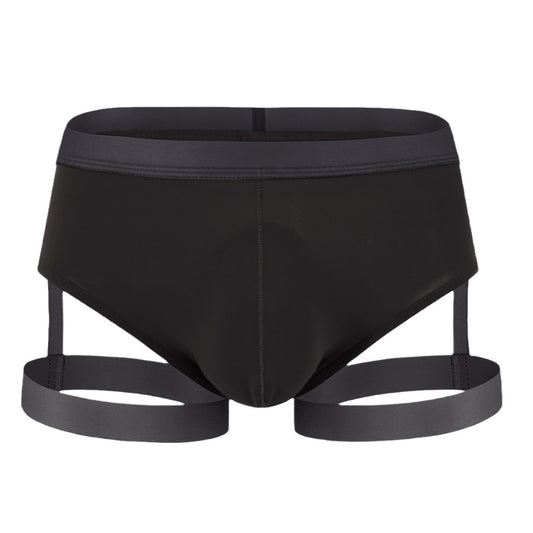
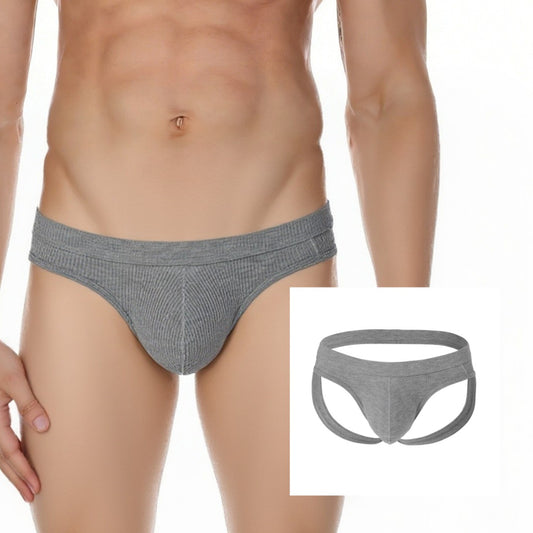
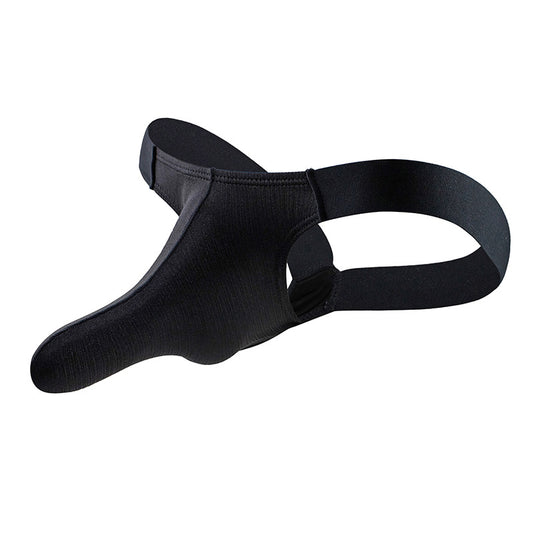
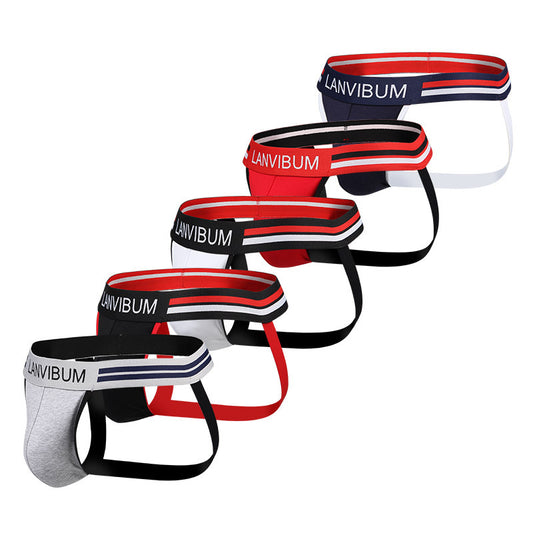
Many beginners benefit from gradual introduction with fingers or beginner-sized anal toys. Starting with fingers or smooth, small toys helps the sphincter adapt to penetration. Using a flared-base toy ensures safety, preventing accidental over-insertion. For those looking to enhance the experience further, explore Men's Special Underwear to add confidence and playfulness to your session.
Practicing insertion alone before attempting partner activity can help reduce anxiety and improve muscle control. This is one of the most practical how to prepare for anal tips, as confidence with solo practice often translates to smoother, more enjoyable experiences with a partner.
Mindful Communication Throughout
Anal sex requires more communication than many other sexual activities. The receiver should feel empowered to guide pace, depth, and pressure. Signals like “slow,” “stop,” or “more” are crucial for maintaining comfort and building trust.
Pay attention not just to verbal cues but also nonverbal ones. Tightening of muscles, facial expressions, or hesitancy can indicate discomfort. Partners should respond by pausing, adjusting, or returning to foreplay. This ongoing feedback loop is essential for safe, enjoyable anal sex, especially during first time anal experiences.
Aftercare and Recovery
Once anal sex concludes, aftercare is critical. This can include cuddling, gentle massages, or simply checking in with each other about comfort levels. For the receiver, some tenderness is normal. Warm baths, hydration, and light stretching can help reduce soreness. Minor bleeding from tiny tears may occur, but persistent or severe bleeding requires medical attention.
Aftercare reinforces positive experiences, reduces anxiety about future sessions, and strengthens emotional intimacy. Experts consistently highlight aftercare as a vital component in both safety and satisfaction for beginners and experienced individuals alike.

Tips About Anal Sex: For Pleasure and Safety
Anal sex can be a deeply pleasurable experience when approached with care, preparation, and knowledge. Whether you’re a beginner or experienced, following some evidence-based and practical strategies ensures both safety and enjoyment.
Prioritize Communication and Consent
One of the most critical tips about anal sex is open and honest communication. Before attempting penetration, discuss boundaries, comfort levels, and safe words with your partner. Consent should be enthusiastic, ongoing, and adjustable at any stage. For first time anal, clear verbal and non-verbal signals help both partners gauge readiness and comfort. Research consistently shows that trust and communication directly correlate with a positive sexual experience and reduced risk of injury.
Use Plenty of Lubrication
Lubrication is essential because the anus does not produce natural lubrication. Applying a generous amount of water- or silicone-based lube reduces friction, making insertion smoother and minimizing discomfort. For beginners learning how to do anal first time, extra lubrication is a simple yet highly effective way to not make anal hurt. Reapply as needed during intercourse, and remember that more is better than too little.
Warm Up Gradually
Gradual muscle relaxation is crucial for safe and pleasurable anal sex. Start with gentle external massages or fingertip stimulation to help the sphincter loosen. Introducing small, smooth toys or a finger before full penetration can help beginners adapt to the sensation. Experts note that slow, incremental penetration significantly lowers the likelihood of tearing or pain, making it one of the most reliable tips about anal for first-time participants.
Position and Pace Matter
Choosing the right position can dramatically influence comfort. Many beginners prefer positions that allow control over depth and speed, such as lying on the side, spooning, or a modified doggy style. Going slowly and allowing breaks to breathe or adjust ensures that the body remains relaxed. Experienced sexual health professionals recommend that the receiver often guides the pace, especially during first time anal, to prevent discomfort and enhance pleasure.
Mind Your Diet and Timing
For those wondering how to prepare for anal, diet plays an important role. A light, fiber-rich meal a few hours before can reduce the risk of constipation and make the experience more comfortable. Avoiding heavy, gas-inducing foods prior to anal sex can minimize bloating or urgency, creating a more relaxed and enjoyable session. Some also find that staying hydrated aids bowel regularity and reduces post-anal soreness.
Aftercare and Recovery
Aftercare is an essential, often overlooked, part of safe anal sex. Post-session attention—like gentle cleaning, cuddling, and communication about sensations—supports emotional and physical recovery. Slight soreness or minor bleeding can occur, but persistent pain should be addressed with a healthcare professional. Effective aftercare reassures beginners and promotes a positive association with first time anal, encouraging safer and more satisfying future experiences.

Common Problems and How to Solve Them
Even with preparation, beginners and experienced partners alike can encounter challenges during anal sex. Understanding common issues and strategies to address them ensures a safer, more pleasurable experience.
Pain or Discomfort During Penetration
Pain is the most frequently reported concern during first time anal. Causes often include insufficient lubrication, tense anal muscles, or rushed penetration. To solve this, ensure generous application of water- or silicone-based lubricant, and take the process slowly. Gradual insertion using fingers or small toys allows muscles to relax naturally. Communication between partners is essential—listening to the receiver’s feedback and adjusting pace or depth can prevent pain and make anal sex more enjoyable.
Experts advise breathing techniques and pelvic relaxation exercises before and during penetration. These help reduce involuntary tightening of the sphincter, a common source of discomfort. Following these steps is one of the most effective ways to not make anal hurt.
Minor Bleeding or Irritation
A small amount of blood during first time anal can be normal, especially if the tissues are stretched for the first time. However, persistent or heavy bleeding signals the need to pause and possibly seek medical advice. To minimize the risk, focus on lubrication, gradual penetration, and avoiding excessive pressure.
Warming up the muscles, using gentle angles, and practicing with small toys or fingers beforehand can significantly reduce irritation. Experts also recommend avoiding anal sex if the receiver has existing hemorrhoids, fissures, or rectal inflammation, as these conditions can worsen injury.
Difficulty Relaxing or Anxiety
Mental tension can make the anal muscles contract, turning even small penetrations into uncomfortable experiences. Anxiety is especially common during first time anal. Address this by establishing trust with your partner, practicing breathing exercises, and focusing on slow, controlled movements.
Some find that pre-session massage, extended foreplay, or even solo practice helps ease anxiety and teaches the body how to relax. Understanding that discomfort can be managed incrementally helps build confidence and encourages more positive experiences in the future.
Digestive Issues
Unexpected bowel movements or gas can disrupt the experience. For beginners, following a light, fiber-friendly diet a few hours before anal sex and staying hydrated helps regulate bowel function. Emptying the bowels beforehand is often recommended to avoid mess and enhance relaxation.
Avoid heavy or greasy meals, and allow enough time between eating and penetration for comfort. These precautions are part of standard tips about anal that prioritize safety and enjoyment.
Solutions for Aftercare Discomfort
Post-anal soreness or tenderness can occur even with proper preparation. Applying gentle cleaning, warm compresses, or a warm bath can alleviate discomfort. Minor irritation typically resolves within a day or two. If soreness persists or is accompanied by bleeding, consulting a healthcare professional is essential.
Aftercare also includes emotional reassurance—checking in with your partner about comfort levels reinforces trust and builds positive associations with first time anal, increasing confidence for future encounters.

Conclusion: Safe, Respectful Anal Sex Is Achievable
Whether you’re curious about first time anal or seeking ways how to make anal sex feel better, this guide arms you with evidence‑based practices, clear expectations, and respectful communication tools. Anal sex doesn’t have to be painful or intimidating—it can be a joyful, intimate experience when approached with care.
You’ve learned how to prepare, how to do anal safely, how to handle discomfort, and how to communicate with your partner. Now you’re ready to decide what feels right for you—and do it with confidence.
Frequently Asked Questions About Anal Sex
What percentage of girls like anal?
Studies suggest that interest in anal sex varies widely. Surveys indicate that roughly 30–40% of women have tried anal sex, with a smaller percentage reporting it as a regular or highly pleasurable activity. Individual preference is shaped by comfort, communication, and prior experience. Open dialogue with a partner is key to ensuring positive experiences, especially for first time anal.
Do you have to clean out before bottoming?
While internal douching is not strictly necessary, emptying the bowels beforehand helps reduce mess and anxiety. Washing the external anal area is sufficient for hygiene. Over-douching can irritate the rectum, so moderation is advised. This is an essential part of how to prepare for anal safely.
Is a little blood normal when bottoming?
Minor bleeding can occur, particularly during first time anal, due to stretching or tiny tears in the tissue. This is usually temporary. Persistent, heavy, or painful bleeding should be evaluated by a healthcare professional. Using plenty of lube and gradual insertion helps minimize the risk and aligns with how to not make anal hurt strategies.
Why does my poop hurt after bottoming?
Post-anal discomfort is often caused by muscle strain or minor anal tears. Relaxing the sphincter, applying lubrication, and progressing slowly can prevent this. Warm baths, hydration, and gentle rest usually resolve soreness. If pain persists, medical consultation is recommended.
How to prepare correctly to bottom?
Proper preparation involves emotional readiness, hygiene, and muscle relaxation. Emptying the bowels, using external cleaning, practicing gradual insertion with fingers or small toys, and communicating with your partner are all key steps. This approach is central to all tips about anal and ensures a smoother, more enjoyable experience.
What should you avoid before bottoming?
Avoid heavy, greasy, or gas-inducing meals, excessive alcohol, or rushing the experience. Overly tight clothing or insufficient lubrication can also cause discomfort. These precautions are critical in how to prepare for anal and help prevent pain during first time anal.
How to bottom without the pain?
To not make anal hurt, focus on relaxation, slow insertion, and lubrication. Starting with fingers or small toys, controlling depth and speed, and communicating continuously with your partner reduces discomfort. Breathing exercises and pelvic relaxation techniques are highly effective strategies endorsed by sexual health professionals.
How do I do anal for the first time safely?
For first time anal, start with foreplay, communication, and gentle insertion. Use plenty of lube, progress gradually, and pay attention to the body’s signals. Small toys or fingers can help prepare the sphincter muscles, while aftercare ensures recovery and emotional comfort.
Can anal sex cause long-term damage?
When performed with care, proper lubrication, and gradual insertion, anal sex is generally safe. Minor temporary irritation is normal, but repeated forceful penetration or ignoring pain signals can increase the risk of tears or hemorrhoids. Following expert tips about anal significantly reduces potential risks.
How often should I communicate with my partner during anal sex?
Continuous communication is crucial, especially for beginners. Check in verbally and non-verbally throughout penetration to ensure comfort, guide pace, and prevent pain. Effective communication is one of the most important how to do anal first time strategies.